
Energy transition Why generate and transmit more electricity?
Québec must reduce its greenhouse gas emissions. Hydro‑Québec is committed to generating and transmitting more renewable electricity and helping everyone be more energy wise. Together, we can make the energy transition a reality.

What is the energy transition?
The energy transition means gradually replacing fossil fuels like gasoline, natural gas and fuel oil with renewable energy like hydropower, wind and solar to reduce greenhouse gas emissions. Fossil fuels still account for about 50% of the energy used in Québec. Making the transition also means using energy more efficiently and avoiding waste.
Why do we need to make this transition?

Meet growing demand
Generate and transmit more electricity to meet growing demand and ensure Québec's energy security.

Stimulate the economy
Support Québec's economic growth by developing new industrial sectors, creating jobs and encouraging investment across all regions.

Ensure power system reliability
Upgrade the grid and add new equipment to improve power system reliability and resilience.

Decarbonize Québec
Gradually replace fossil fuels with renewable energy to reduce greenhouse gas emissions.
Projected growth in electricity demand
Québec will need an additional 150 to 200 TWh of electricity by 2050. That means nearly twice as much electricity as we use today.
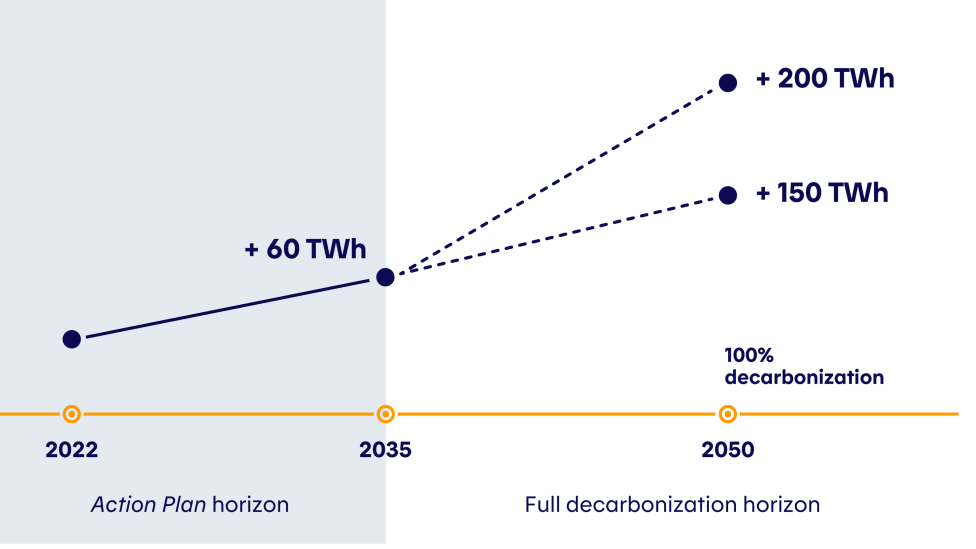
To put this into perspective, one terawatthour (TWh) is roughly equivalent to the annual electricity consumption of 56,000 Québec households.
Chart from the Action Plan 2035
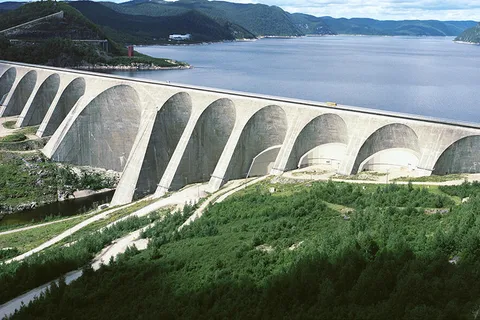
Building Québec's energy future
Discover the projects we're developing near you to meet growing electricity demand and improve the power system.
See all the projects