

Whether it’s a sudden storm or an unexpected equipment failure, a power outage can happen at any time. When it does, being prepared makes all the difference. You’ll stay warm while making sure your family is safe and comfortable.
Keep an emergency kit handy
Keep an emergency kit handy so that you can manage for several hours without power. Make sure everyone in your family knows where it is. Include items such as:
- Drinking water
- Non-perishable food (canned goods, energy bars, dehydrated meals, etc.)
- Flashlights
- First-aid kit
- Battery-powered radio
- Extra batteries for each device in the kit
- Warm blankets
- Reusable hand warmers (like Hot Poc)
Adapt the kit to your household and the number of people in your family.
To make sure you don’t forget anything, consult the checklist compiled by the government of Canada.
Three ways to prepare your home
To reduce heat loss and make your home safer during a power outage, two simple steps can make a big difference.
- Seal drafts by caulking windows, installing weatherstripping under doors and using heavy curtains on windows.
- If you rely on a backup heat source, install a carbon monoxide (CO) detector and check it regularly to stay safe.
- Protect your electronic devices from any overvoltage‑related damage when service is restored by plugging them into a surge‑protected power bar.

Did you know?
Carbon monoxide (C) is invisible and odourless, but it can become dangerous in just a few minutes. A CO detector is often the only way to know if the gas is present.

Use a safe backup heating solution
When it’s cold, you might be tempted to improvise ways to stay warm. That’s never a good idea!
Plan to use a safe indoor backup heat source like a wood stove, fireplace or generator.
Before winter sets in, have your device inspected and, if needed, have your chimney cleaned to ensure it works properly.
If you don’t have access to backup heating, find out where temporary shelters are available.
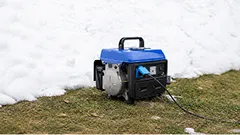
Never use a barbecue, camping stove or gasoline generator meant for outdoor use in your home, even during a power outage. They can produce deadly carbon monoxide.
Check your home insurance
Damage related to voltage variations or losses, or service interruptions is a type of risk that tends to be the customer’s responsibility. As a result, Hydro-Québec is rarely responsible for any damage resulting from those situations, such as loss of food or damage to electrical and electronic devices.
Remember to update your home insurance regularly to ensure you have adequate protection.
Get your information from the right sources
During severe weather or a power outage, getting the right information when you need it is key.
Sign up for weather alerts to receive warnings, advisories and bulletins. Also, download the Hydro-Québec app on your phone and track the service status to get updates for your preferred addresses.

Effective preparation requires not only concrete action at home but also access to reliable, up‑to‑date information. Following these recommendations will make it much easier to get through an extended outage, even during a cold snap.